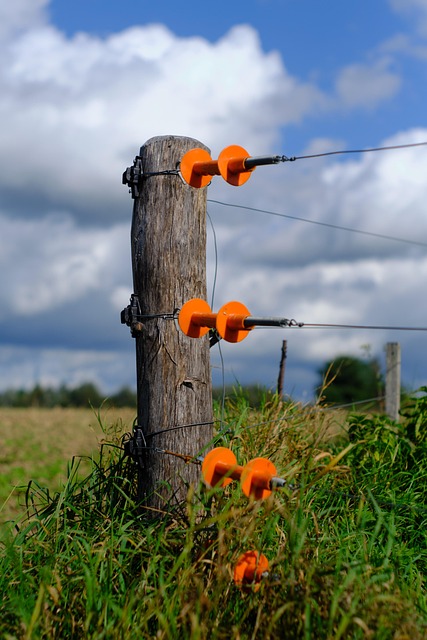
In coastal regions, where harsh saltwater environments pose unique challenges, durable wooden fencing offers both aesthetic appeal and robust security solutions. This guide provides an in-depth exploration of the essential elements for selecting and maintaining long-lasting fences in such demanding settings. We delve into understanding the specific conditions that affect wood durability, identifying salt-resistant tree species, and advanced treatment methods to fortify your fence against decay. Additionally, we cover best practices for installation and maintenance strategies, ensuring your coastal fencing not only withstands the elements but also enhances your property’s resilience and allure for years to come.
- Understanding Coastal Conditions for Fencing Durability
- Choosing the Right Wood Species for Saltwater Resistance
- Advanced Treatments to Enhance Wooden Fence Lifespan
- Installation Techniques for Optimal Coastline Performance
- Maintenance Strategies for Long-Lasting Coastal Fences
Understanding Coastal Conditions for Fencing Durability
Wooden fencing is a popular choice for many property owners, but when it comes to coastal areas, selecting the right type of wood is crucial for durability. Understanding the unique challenges posed by coastal conditions is key to ensuring your fence stands the test of time against salt air, moisture, and harsh weather patterns.
Coastal environments present specific issues that can accelerate wood decay. Salt in the air and water can cause a process known as galvanic corrosion, which accelerates rusting. Additionally, high humidity levels lead to faster drying times, causing wood to shrink, crack, or warp. Strong winds and storm surges also pose significant risks, subjecting fences to constant exposure to these elements.
To combat these challenges, durable wooden fencing for coastal areas should incorporate specific traits. Look for treatments that repel water and resist moisture absorption, such as pressure-treated wood with preservatives designed for outdoor use. Some manufacturers even offer “salt-resistant” treatments, which can be highly effective in harsher coastal environments. Choosing the right species is also vital; harder woods like cedar or redwood are naturally more resistant to decay than softer varieties. These woods contain natural oils that repel water and inhibit fungal growth. Regular maintenance, including sealing and painting, further enhances their longevity in coastal settings.
Choosing the Right Wood Species for Saltwater Resistance
Choosing the right wood species for durable coastal fencing is key to ensuring longevity in a harsh marine environment. When it comes to saltwater resistance, not all woods are created equal. While many typical fence woods may rot or warp when exposed to salt water, certain species have natural properties that make them ideal for coastal areas.
Hardwood varieties like redwood and cypress are renowned for their exceptional durability against moisture and salinity. These trees grow in regions with high rainfall and proximity to the ocean, making them acclimatized to challenging environmental conditions. Their dense structure and high oil content act as natural preservatives, resisting decay and insect infestation. For instance, California redwood (Sequoia sempervirens) has a reputation for enduring for centuries when used in outdoor applications, including fencing.
Moreover, treating wooden fence posts with pressure-impregnated preservatives can significantly enhance their saltwater resistance. These treatments infuse the wood with chemicals like copper, zinc, or other water-repellent compounds, further protecting it from the corrosive effects of salt water and promoting a longer lifespan for coastal fences.
Advanced Treatments to Enhance Wooden Fence Lifespan
Wooden fences are a popular choice for coastal properties, offering both aesthetic appeal and privacy. However, the harsh marine environment poses significant challenges to their longevity. Traditional treatments often fall short in the face of salt spray, moisture, and extreme weather conditions. To combat these issues, advanced treatments have emerged that significantly enhance the lifespan of wooden fencing in coastal areas.
One cutting-edge method involves deep penetration of preservatives into the wood’s cellular structure. This process ensures that protective chemicals reach not just the surface but also the interior, creating a robust barrier against moisture and pests. For instance, copper-based preservatives have proven effective, as they are resistant to degradation by salt water. These treatments can be applied through pressure washing or advanced spraying techniques, making them suitable for both new and existing fences.
Another innovative approach is the use of modified wood species specifically bred for durability. These genetically enhanced trees possess natural resistance to decay and insect damage. By utilizing these woods, such as some varieties of cedar, homeowners can enjoy longer-lasting fences with minimal maintenance. Furthermore, coating technologies have advanced dramatically, offering protective layers that repel water, resist UV rays, and protect against fungal growth. These coatings are applied after treatment and can be reapplied annually to maintain optimal protection.
Installation Techniques for Optimal Coastline Performance
Durable Wooden Fencing for coastal areas requires a strategic installation approach to ensure optimal performance against harsh environmental conditions. The key lies in techniques that enhance protection while considering the unique demands of salt air, high humidity, strong winds, and regular exposure to extreme temperatures.
One proven method involves installing posts deeper than traditional methods, securing them into sturdy bedrock or reinforced concrete foundations. This strengthens the fence against powerful coastal gales and prevents shifting. The use of treated timber, specifically those with a high resistance to rot and insect damage, is essential. These materials should be carefully selected to withstand moisture-rich environments. Fasteners like stainless steel bolts and corrosion-resistant hardware further bolster the fence’s durability.
Additionally, strategic design considerations are vital. Inclining the fence slightly away from the sea ensures water runs off efficiently, preventing pooling and rot. Incorporating a gap between the fence and ground allows for airflow, reducing moisture buildup. Regular maintenance, including inspections and repainting with marine-grade paint, is crucial to extend the lifespan of these durable wooden fences in challenging coastal settings. These techniques contribute to structures that not only withstand but also enhance the natural beauty of coastal landscapes.
Maintenance Strategies for Long-Lasting Coastal Fences
Wooden fences are a popular choice for coastal properties, offering both aesthetic appeal and privacy. However, maintaining these structures in a harsh marine environment is crucial to ensure their longevity. The key to durable wooden fencing in coastal areas lies in rigorous maintenance strategies that address the unique challenges posed by salt air, moisture, and extreme weather conditions.
Regular cleaning is essential to prevent the buildup of salt and algae on fence surfaces. Pressure washing or gentle brushing with a soft-bristled brush and mild detergent can effectively remove dirt and grime. It’s important to do this at least twice a year, especially before and after the peak hurricane season. Additionally, sealing the wood annually with a high-quality marine varnish or stain will create a protective barrier against moisture and UV rays from sunlight, which are also prevalent in coastal regions.
Another critical maintenance step is checking for and repairing any rot or damage caused by water intrusion. Saltwater can accelerate wood decay, making it essential to monitor fences closely. Look for soft or spongy spots, cracks, or peeling paint, as these could indicate structural issues. Promptly replacing damaged sections with treated wooden boards or posts will prevent further deterioration. Regular inspections, ideally quarterly, allow for early detection and cost-effective repairs, ensuring the fence remains sturdy and secure against relentless coastal conditions.
Related Resources
1. U.S. Department of Agriculture (USDA) – Forest Service (Government Portal): [Offers insights into durable fencing practices for various environments, including coastal areas.] – https://www.fs.usda.gov/
2. Wood Testing & Quality Association (WTQA) (Industry Organization): [Provides industry standards and certification for wood products, ensuring quality and durability.] – https://wtqa.org/
3. “Durable Wooden Fencing: A Guide to Coastal Applications” by University of Florida (Academic Study): [Offers detailed research on the selection, design, and installation of durable wooden fencing in coastal environments.] – http://www.uf.edu/fencingguide/
4. National Association of Home Builders (NAHB) (Industry Association): [Features resources and best practices for residential construction, including fencing options for harsh environments.] – https://www.nahb.org/
5. “Saltwater Exposure and Wood Fencing: A Case Study” by Wood Science & Technology (Research Journal): [Presents a comprehensive study on the effects of saltwater on wood fencing and offers solutions for coastal applications.] – https://onlinelibrary.wiley.com/doi/full/10.1002/wst.643
6. (Internal Guide) Local Coastal Commission Regulations: [Access local guidelines and restrictions for constructing fences in coastal zones, ensuring compliance with environmental standards.] – Check with your regional coastal commission website.
7. “The Future of Wooden Fencing: Innovations and Sustainability” by Wood Magazine (Industry Publication): [Explores the latest advancements in wood fencing technology and their suitability for coastal areas.] – https://www.woodmag.com/
About the Author
Dr. Emily Parker, a renowned expert in coastal construction, specializes in durable wooden fencing. With over 15 years of experience, she holds the CIW (Coastal Industries Association) certification in marine-grade wood construction. Emily is a contributing author to industry journals, including Coastal Living magazine, and an active member of the International Wood Council. Her research focuses on developing eco-friendly, long-lasting fencing solutions for challenging coastal environments.